

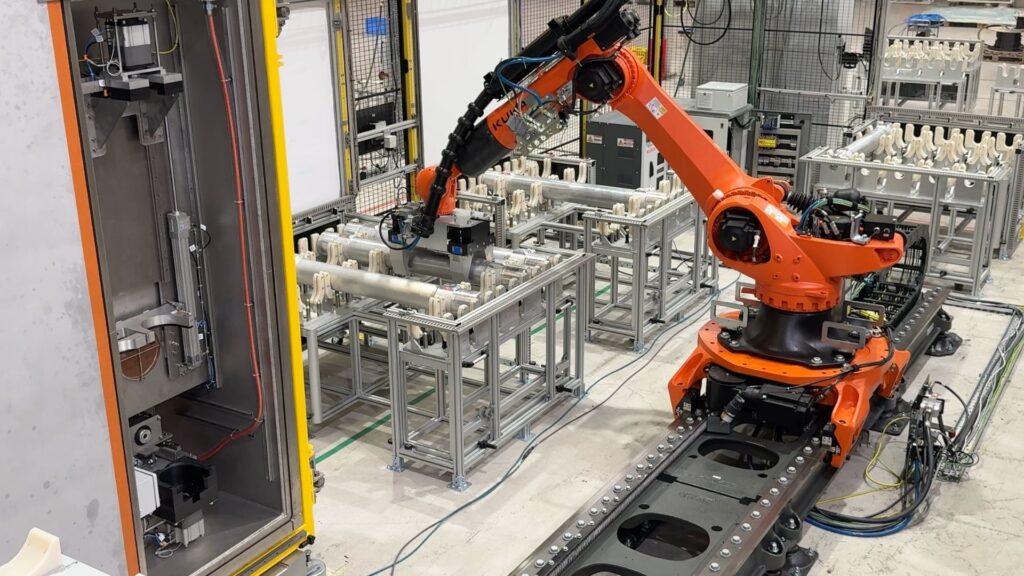
ALPHR Technology designs and builds capital automation equipment for major manufacturers. Its buyers do not make impulse purchases: a typical investment can spend 6 to 18 months in internal qualification before a supplier is invited to quote. The marketing challenge was therefore not to chase instant transactions. It was to make ALPHR visible, credible and familiar long before procurement began.
The brief was simple to state and difficult to deliver: make ALPHR the name buyers already knew when a project finally moved to procurement.
From July 2025 to June 2026, Studiowide delivered an integrated full-service marketing programme built around one audience and one commercial story. Strategy, content, outreach, email, search, paid media, social activity, LinkedIn lead generation and regional websites worked together so the same decision-maker could encounter ALPHR through several channels over time.
The Challenge: Staying Visible Through a Long Buying Cycle
In a long-cycle capital-equipment market, no single advert, email or article wins the order. Buyers research quietly, involve multiple stakeholders and may not reveal a live project for months. ALPHR needed a sustained presence that could:
- Reach the right people early: senior engineering and operations decision-makers at manufacturers with complex automation needs.
- Build trust before an RFQ: useful technical content, credible digital experiences and consistent expert visibility.
- Connect marketing to sales: outreach replies, referrals, inbound enquiries and intent signals captured in one commercial ecosystem.
- Work internationally: a main website supported by regional sites for Europe, North America, North Africa and Central America.
One Audience, Nine Connected Workstreams
Rather than operate separate channel campaigns, we built a coordinated B2B manufacturing marketing system. Each workstream had a distinct role, but all focused on the same target audience:
- Strategy and programme management: overall direction, monthly client meetings and Chartered Marketer advice kept every activity commercially aligned.
- Content and authority: 45 expert website articles were published, supported by a structured 118-item content calendar spanning web, social and email.
- Sales outreach and nurture: automated, human-toned sequences reached 2,960 prospects, while the CRM grew to more than 4,000 marketable contacts.
- SEO, AEO and GEO: technical foundations and expert content improved meaningful search visibility and made ALPHR easier to discover during active research.
- Google Ads: paid search captured high-intent demand and delivered 51,212 website sessions.
- Social and LinkedIn lead generation: company content built passive familiarity while targeted connection requests created direct relationships with the same people receiving outreach.
- Country-specific websites: regional digital experiences reinforced ALPHR’s international capability and relevance.
Commercial Results
The programme produced measurable buying signals across outbound, inbound and relationship-led channels:
| Outcome | Verified Result |
| Priority opportunities | 13 high-priority commercial opportunities identified across the year. |
| Warm referrals | 15+ internal referrals from named industry contacts. |
| Qualified inbound demand | 6 high-quality website enquiries with named contacts, verified company domains and specific technical requirements. |
| Positive outreach | 36 confirmed positive responses captured in the CRM. |
| Professional relationships | 814 new LinkedIn connections from 1,802 requests – a 45.2% acceptance rate. |
| Website visibility | 81,059 sessions across the programme year, including 9,326 organic-search sessions. |
How the Multi-Touch Ecosystem Worked
A prospect might first receive a relevant email from ALPHR. Days later, a LinkedIn connection request arrived from the same commercial team. Once connected, that person could see technical content in their feed, subscribe to the Advanced Automation newsletter and later find an ALPHR article while researching a live requirement on Google.
One prospect. Several channels. Months of consistent visibility. By the time the project moved forward, ALPHR was no longer a cold name.
The LinkedIn activity was the bridge between outreach and ongoing brand exposure. The 814 accepted connections did more than produce a strong response rate: they created a durable, warmed audience that could continue seeing ALPHR’s future posts, newsletters and announcements without another acquisition cost.
Qualified Demand, Not Vanity Metrics
The strongest evidence came from the specificity of the enquiries. Between November 2025 and February 2026, inbound prospects approached ALPHR about projects including a cobot load/unload feasibility study, variable-speed leak detection, an OLED display build-and-test sequence covering 690,000 units over seven years, a traceable hydraulic pressure test bench and an assembly workstation upgrade.
These were not generic contact-form messages. They were real manufacturing problems with defined technical requirements – the kind of enquiries a specialist automation business needs its marketing to attract.
Visibility That Compounds
- Search: 4,616 organic clicks were recorded. Average ranking position improved from 43.5 in July 2025 to 21.3 in January 2026, before unrelated brand-query impressions distorted the later averages.
- Website: 81,059 sessions and 47,552 users created a substantial research audience, with organic visitors showing stronger engagement than paid traffic.
- LinkedIn company page: 83,077 impressions, 5,592 clicks and 907 new organic followers expanded ALPHR’s owned audience.
- Advanced Automation newsletter: 346 new subscribers and 5,032 article views established a recurring channel for deeper engagement.
- Content engine: 45 published articles gave every other channel useful technical material to distribute and gave search engines more evidence of ALPHR’s expertise.
What the Programme Changed
This work did not pretend that a long-cycle CapEx sale could be reduced to one last-click conversion. It created something more valuable: a connected commercial system that generated opportunities now while building familiarity for future projects.
ALPHR finished the year with a larger professional network, stronger search visibility, an active content engine, a substantial CRM audience and a clearly evidenced pipeline of replies, referrals and qualified inbound demand. The sum was greater than any individual channel because every touchpoint reinforced the next.
The Next Phase
With the ecosystem established, the next priority was to deepen the conversion layer: tighter pipeline tracking, disciplined commercial follow-up, continued scaling of the channels already producing demand, and integration of TRI into the wider marketing strategy.
View More

PetExx Brand Launch

TX Tyres Web Project
